

ERP systems in Kenya are no longer optional for growing enterprises and mid-market organisations. While many companies invest heavily in technology, the real value is realised through effective management, adoption, and continuity planning. Structured ERP governance helps organisations improve operational efficiency, maintain accurate data, and realise a clear return on investment.
Understanding ERP Systems in Kenya
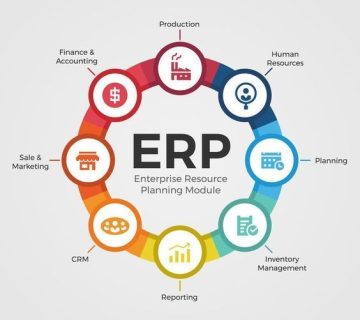
Enterprise Resource Planning (ERP) systems integrate key business functions such as finance, inventory, human resources, and procurement into a single platform. They provide a unified source of truth for business data, enabling better decision-making and more efficient operations. Many Kenyan organisations are adopting ERP systems to improve coordination across departments and strengthen operational visibility.
Why ERP Systems in Kenya Adoption Is Growing
- Organisations are moving from spreadsheets and fragmented tools to integrated digital systems.
- Cloud-based ERP platforms provide scalability and lower upfront infrastructure costs.
- Regulatory compliance and business continuity requirements are encouraging better data management.
- Growing businesses require systems that support operational expansion and reporting.
Common Challenges with ERP Systems in Kenya
Low Adoption Rates
Many ERP implementations struggle because users are not sufficiently trained or supported after deployment. Without ongoing engagement, adoption remains low and the system’s potential value is not realised.
Data Inaccuracy and Duplicate Processes
When manual or paper-based processes continue alongside ERP systems, duplicate records and inconsistent data can emerge, creating inefficiencies and operational risk.
Integration with Existing Systems
Some organisations must integrate ERP platforms with legacy software or specialised operational tools. Without proper planning and management, these integrations can become complex and difficult to maintain.
Structured Management as the Key to ERP Success
Governance and Oversight
Clear governance structures help ensure accountability for system usage and data accuracy. Regular monitoring of system activity helps identify gaps early.
Role-Based Training
Training tailored to specific departments improves understanding and ensures the ERP system supports real operational workflows.
Continuous Support
Ongoing ERP support and managed services help organisations resolve issues quickly, maintain system performance, and ensure adoption remains consistent.
Operational Impact of Effective ERP Management
- Improved operational visibility across departments
- More accurate inventory and financial data
- Faster reconciliation and reporting processes
- Reduced operational and compliance risk
- Stronger data-driven decision making
Frequently Asked Questions
What is the best ERP system for Kenyan SMEs?
The appropriate ERP system depends on industry requirements, organisational size, and operational complexity. Cloud-based ERP solutions are often preferred by SMEs due to their flexibility and scalability.
How much does ERP implementation cost in Kenya?
Costs vary depending on system complexity, required modules, and organisational size. Implementations can range from moderate investments for SMEs to enterprise-level deployments for larger organisations.
Why do ERP implementations fail?
ERP initiatives most often fail due to low user adoption, insufficient governance, limited training, and misalignment between system workflows and operational processes.
Organisations seeking to maximise the value of their ERP systems should focus not only on the technology itself but also on structured management, governance, and ongoing support.


No comment