Starlink, What Is It and How Does It Benefit Kenyans?
Internet connectivity has become increasingly important for education, businesses, communication, healthcare, and access to digital services. Starlink benefits are particularly relevant to people and organizations looking for reliable internet connectivity in areas where traditional fixed networks may be limited.
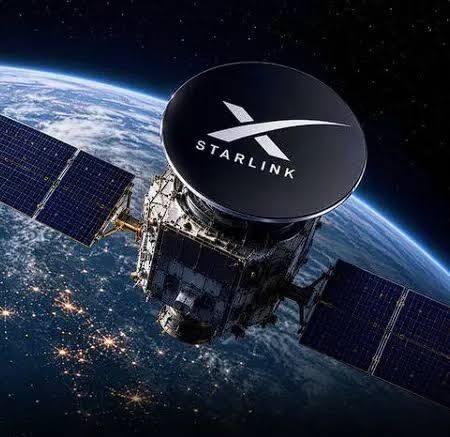
Starlink is a satellite internet service operated by SpaceX. It uses a network of satellites in low Earth orbit to provide internet connectivity to users through a Starlink antenna. The service is available in Kenya, and the Communications Authority of Kenya has reported growth in satellite internet subscriptions following its rollout.
In this article, we explore what Starlink is, how it works, and the Starlink benefits that may be relevant to Kenyan homes, businesses, schools, and communities.
What Is Starlink?
Starlink is a satellite internet service developed and operated by SpaceX. Unlike many traditional internet services that depend on terrestrial cables or fixed wireless infrastructure, Starlink uses satellites in low Earth orbit to provide internet connectivity.
The service is designed to provide internet access in locations where other connectivity options may be limited. Users connect to the network using Starlink equipment installed at their location.
Starlink has also established a presence in Kenya. The Communications Authority of Kenya lists Starlink Internet Services Kenya Limited among licensed telecommunications operators.
How Does Starlink Work?
The Starlink network uses thousands of satellites positioned in low Earth orbit. These satellites communicate with the Starlink ground infrastructure and user terminals.
Customers use a Starlink dish or antenna installed at their location. The equipment communicates with satellites overhead and provides an internet connection to connected devices such as computers, smartphones, and other devices.
Starlink currently provides service plans for different types of users, including residential and mobile customers. Its official support information also provides Kenya-specific customer support.
Starlink Benefits for Kenyans
1. Improved Internet Access
One of the major Starlink benefits is the potential to provide internet connectivity in locations where traditional broadband options may be limited.
This can be particularly useful for people living or working outside areas with extensive fibre or fixed broadband infrastructure. Improved connectivity can support activities such as online learning, remote work, communication, entertainment, and access to digital services.
The Communications Authority of Kenya reported that satellite internet subscriptions increased significantly following the rollout of Starlink services in the country.
2. Better Opportunities for Businesses
Reliable internet connectivity can help businesses communicate with customers, suppliers, employees, and partners.
Businesses operating in areas with limited connectivity may use satellite internet to access cloud applications, online marketplaces, digital payment services, social media platforms, and other online tools.
For businesses interested in improving their online presence, reliable connectivity can also complement digital marketing services and professional website solutions.
3. Support for Online Education
Another potential Starlink benefit is improved access to online educational resources.
Students and teachers can use internet connectivity to access digital learning platforms, educational videos, online libraries, research materials, and virtual learning environments.
This can be particularly useful for schools and communities where reliable internet access has previously been difficult to obtain.
4. Support for Remote Work
The growth of remote and online work has increased the importance of reliable internet connectivity.
With a suitable internet connection, professionals can participate in video meetings, communicate through email and messaging platforms, access cloud-based applications, and collaborate with teams in different locations.
Starlink can therefore provide another connectivity option for people working from locations where traditional broadband services are limited.
5. Connectivity for Remote Communities
Starlink’s satellite-based approach can be useful in areas where laying physical internet infrastructure may be challenging.
This can provide communities with another option for accessing online services. Connectivity can support communication, education, business activities, and access to information.
However, availability, equipment requirements, service plans, and local conditions should be considered before subscribing.
6. Potential Support During Emergencies
Reliable communication networks are important during emergencies. Internet connectivity can help organizations and communities communicate, share information, and access online services.
However, Starlink should not be viewed as a replacement for emergency-response systems. Its usefulness during an emergency depends on factors such as power availability, equipment condition, network availability, and how quickly an incident is reported.
What Are the Disadvantages of Starlink?
Although there are several Starlink benefits, potential users should also consider its limitations.
1. Equipment and Subscription Costs
Using Starlink requires compatible hardware and an active service plan. The total cost can vary depending on the market, plan, promotions, taxes, and equipment being purchased.
Starlink’s official information states that pricing varies by market and that the service plans available to a customer depend on their location.
For Kenyan households and small businesses, it is therefore important to check the current local pricing before making a purchase.
2. Weather and Environmental Conditions
Satellite internet can be affected by environmental conditions. Heavy rain and other severe weather can affect satellite communications and connection performance.
Users should also install the Starlink equipment in a location with a suitable view of the sky to help maintain connectivity.
3. Power Requirements
Starlink equipment requires electricity to operate. This means users in locations with unreliable electricity may need an alternative power solution, such as a backup power system.
This is an important consideration for users in remote areas.
4. Installation and Equipment Requirements
Starlink requires appropriate equipment and installation. The company provides information about installation and third-party installation support in Kenya.
Before subscribing, users should consider where the equipment will be installed and whether the location provides a suitable view of the sky.
Conclusion
The Starlink benefits for Kenyans include improved internet access, support for businesses, online education, remote work, and connectivity for communities in areas where traditional broadband options may be limited.
At the same time, users should consider equipment costs, subscription prices, power requirements, weather conditions, and installation requirements before choosing the service.
As satellite internet continues to develop in Kenya, Starlink provides another connectivity option for households, businesses, schools, and communities. Users should check the latest service plans and availability before subscribing..