Internet of Things (IoT): Benefits, Uses and Challenges
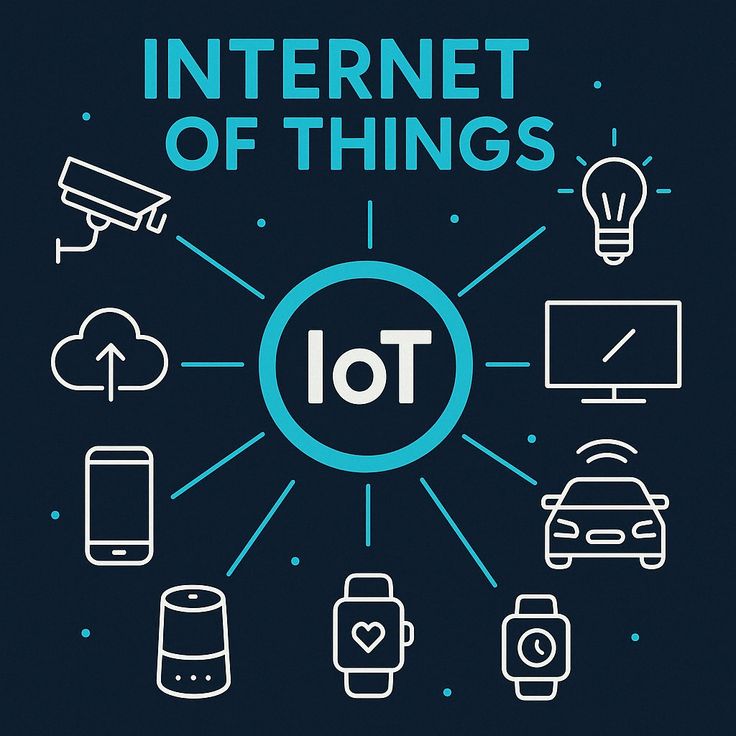
The Internet of Things (IoT) connects physical devices to the internet. These devices can collect, share, and use data. Examples include smart home appliances, industrial sensors, security systems, and wearable devices. Businesses and individuals use IoT to automate tasks, improve services, and make better decisions.
What Is the Internet of Things (IoT)?
The Internet of Things (IoT) refers to a network of physical devices that connect to the internet. These devices use sensors, software, and other technologies to collect and exchange data.
For example, a smart thermostat can monitor room temperature. It can then adjust the temperature based on the user’s settings. A manufacturing company can also use IoT sensors to monitor machines and identify possible problems.
IoT technology now supports many industries. These include manufacturing, healthcare, agriculture, retail, transportation, and home automation.
Benefits of the Internet of Things (IoT)
The Internet of Things (IoT) provides several benefits to businesses and individuals. Here are some of the main advantages.
1. Increased Efficiency
IoT can help businesses automate many tasks. Connected devices can collect data and perform certain actions without constant human input. This saves time and reduces the risk of human error.
For example, manufacturers can use IoT sensors to monitor equipment. The sensors can identify signs of wear or possible faults. Maintenance teams can then act before a machine breaks down.
Smart homes also use IoT to improve efficiency. Users can control lights, heating systems, and appliances through connected devices. This can make household tasks easier and help people manage energy use.
2. Improved Safety and Security
The Internet of Things (IoT) can also improve safety and security. Connected sensors can monitor environments and identify potential risks.
For example, industrial IoT sensors can detect smoke, gas leaks, or unusual temperatures. Workers can receive alerts when a dangerous condition occurs. This allows them to respond quickly.
Businesses can also use connected security systems to monitor their premises. Smart cameras, alarms, and access systems can help identify unusual activity and improve security.
3. Better Decision-Making
IoT devices generate large amounts of useful data. Businesses can analyze this data to understand operations and make informed decisions.
For example, a smart city can use connected sensors to monitor traffic. The collected information can help city planners understand traffic patterns and improve transportation systems.
Businesses can also use IoT data to understand customer behavior, monitor equipment, and improve their operations. Better information can help managers make decisions based on real-time data.
4. Greater Convenience
IoT can make everyday activities more convenient. People can connect and control many devices through smartphones, computers, or other systems.
For example, smart appliances can help people manage household activities. Users can monitor some appliances remotely and receive alerts when a task requires attention.
Retail businesses can also use IoT to monitor inventory. Connected systems can track stock levels and alert employees when products need replenishment. This reduces the need for constant manual checks.
5. New Business Opportunities
The Internet of Things (IoT) creates opportunities for businesses to develop new products and services. Companies can use connected technology to offer features that traditional products cannot provide.
For example, businesses can develop smart thermostats, connected security systems, and wearable devices. Companies can also create subscription services around connected products.
IoT can therefore support innovation and create new ways for businesses to serve their customers.
Common Uses of IoT
Businesses and individuals use IoT technology in many areas. Smart homes use connected devices to control lighting, appliances, security systems, and energy consumption.
Manufacturers use IoT sensors to monitor machines and production processes. Farmers can use connected sensors to monitor soil conditions, weather, and irrigation.
Healthcare organizations can also use connected devices to monitor patients and collect health information. Retail businesses can use IoT for inventory management and customer service.
These applications show how IoT can support different industries and everyday activities.
Challenges of the Internet of Things (IoT)
Although IoT offers many benefits, it also creates several challenges. Security remains one of the biggest concerns.
A large number of connected devices can create more opportunities for cybercriminals to attack systems. Businesses must therefore protect IoT devices and the data they collect.
Privacy also requires careful attention. IoT devices can collect information about people, businesses, and their activities. Organizations should manage this information responsibly and protect it from unauthorized access.
Another challenge involves the cost of implementing IoT systems. Businesses may need to invest in devices, software, internet connectivity, maintenance, and security.
The Future of IoT
The Internet of Things (IoT) continues to influence the way people and businesses use technology. Connected devices can automate tasks, collect useful information, and improve business operations.
As IoT technology develops, businesses may find new ways to use connected devices. However, organizations must also consider security, privacy, cost, and data management.
Overall, IoT can provide practical benefits across many industries. Its continued development will create new opportunities for businesses and individuals to connect devices, collect data, and improve everyday activities.